
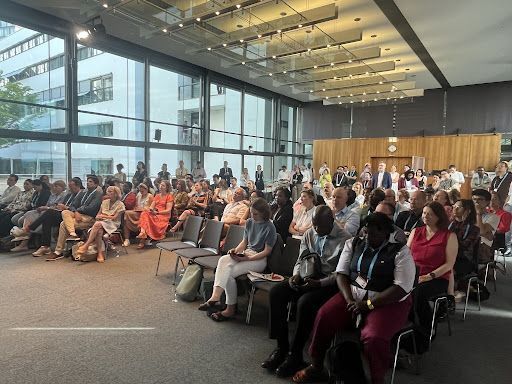
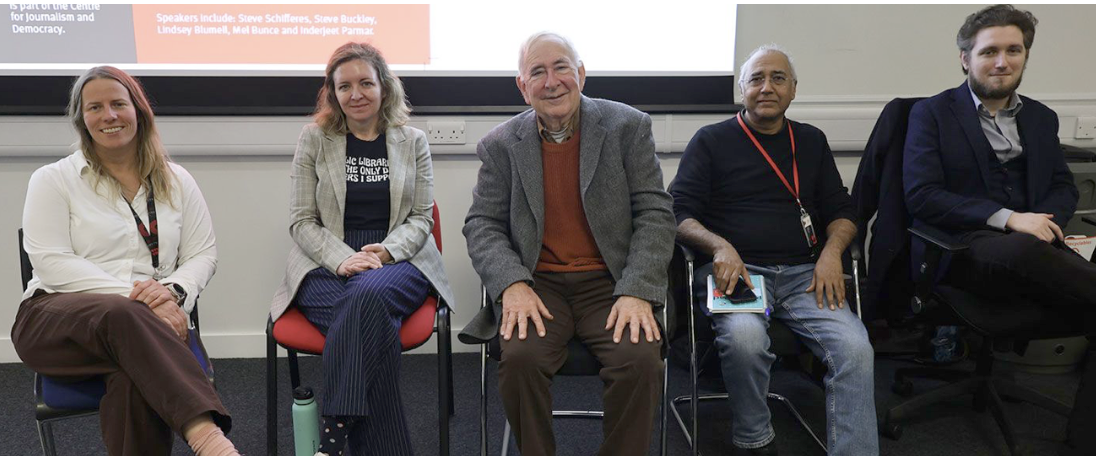
Academics from the Centre’s US Experts Group provide insights into the midterm elections.
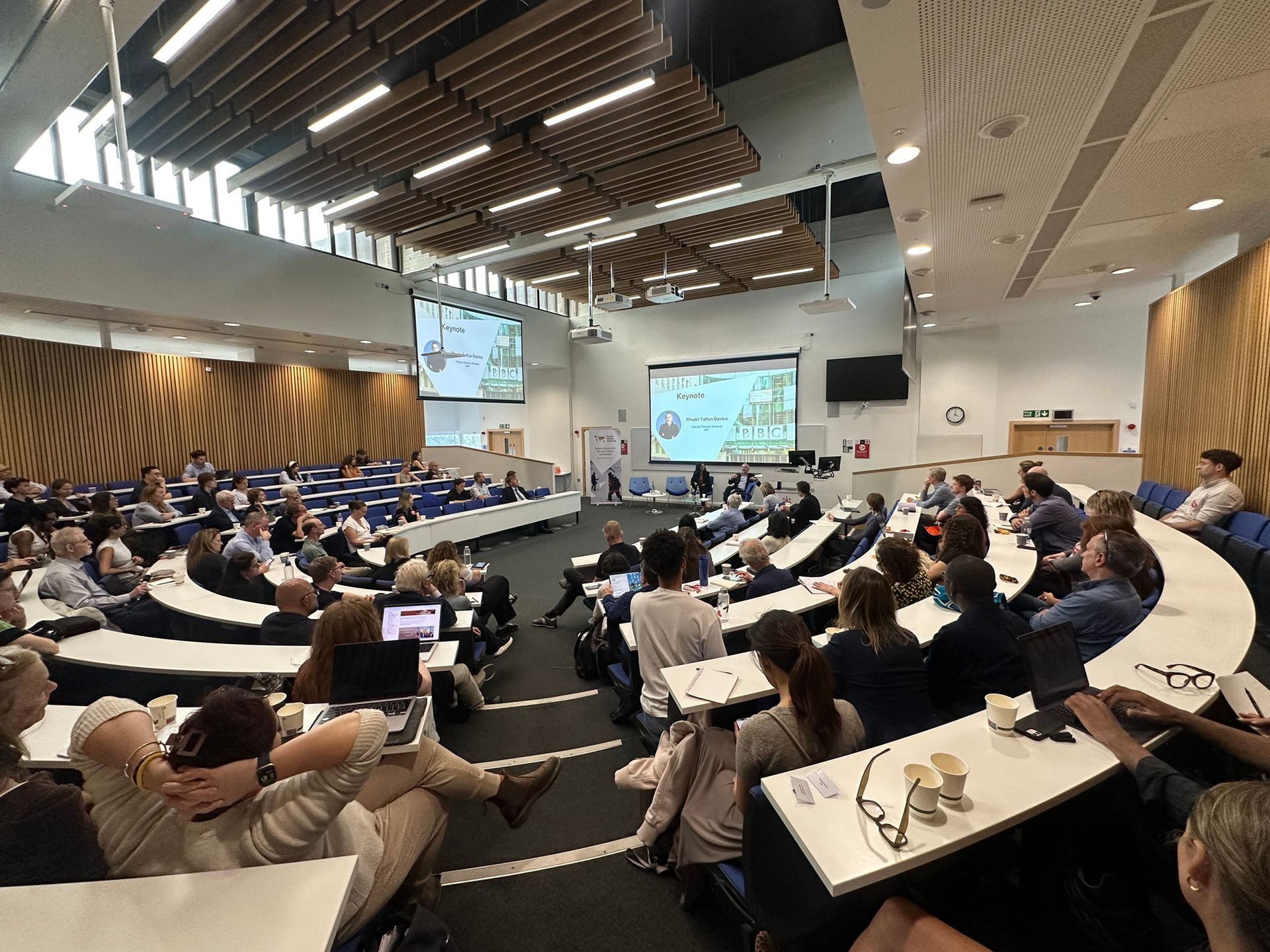
14TH SEPTEMBER 2026 Why does the BBC matter internationally? Join us for an afternoon event as we explore the global value, impact and influence of the BBC, through keynote speeches and an expert panel. In collaboration with Public Media Alliance .
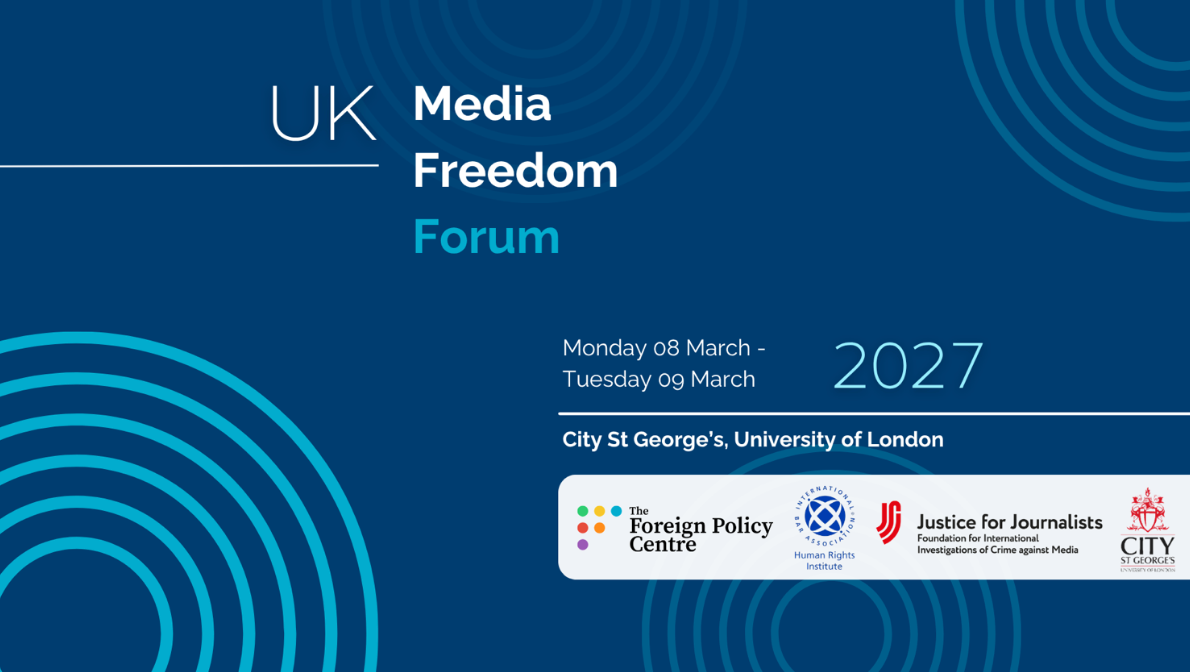
8th & 9th of March, 2027 The third annual Media Freedom Forum will be hosted by the Centre of Journalism and Democracy on March 8 and 9th 2027, in partnership with the Foreign Policy Centre , Justice for Journalists Foundation , and the International Bar Association’s Human Rights Institute .
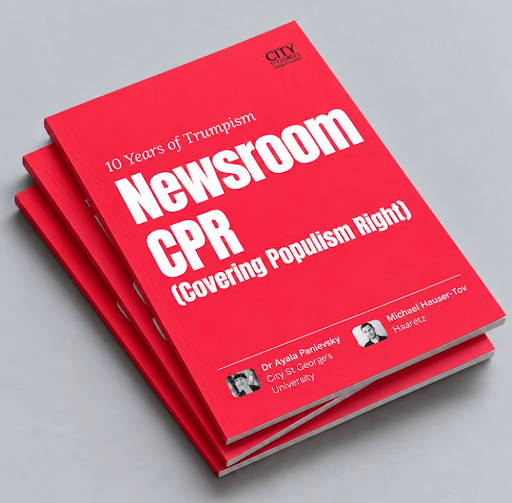
Journalists worldwide are facing increasing challenges from populists who label the media “enemies”. To cover populism better, newsrooms must adapt.
December 2025 Online violence against women journalists, activists, and human rights defenders has reached a tipping point, often fuelling offline attacks, finds new research led by researchers in the Centre for Journalism and Democracy.
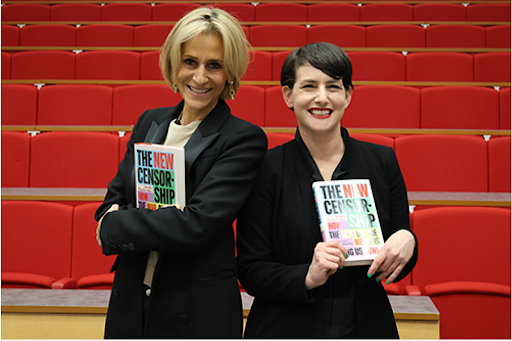
Wednesday 29 October, 2025 Emily Maitlis joined City St George's academic and author Dr Ayala Panievsky to discuss the challenges facing journalists today and what can be done to still hold power to account. Hundreds of students gathered at a lecture theatre at City St George’s, University of London on Wednesday 29 October for the launch of Dr Ayala Panievsky’s first book: ‘ The New Censorship: How the War on the Media is Taking Us Down.'
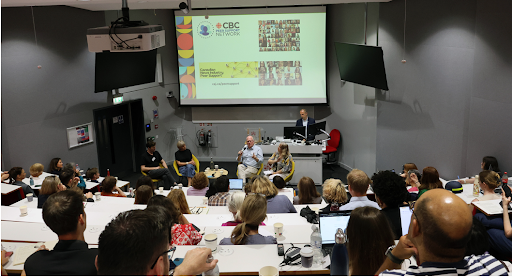
13th July, 2026 Held in partnership with the Department of Journalism at City St George's, CNN, Sky News, Safely Held Spaces and the Public Media Alliance. The MediaStrong Conference is an annual global gathering focused on strengthening mental wellbeing in journalism and building healthier, more sustainable newsroom cultures.